
Asian Games 2026: PV Sindhu and the 0-10 Head-to-Head That Rewrites Her Medal Outlook
**Câu trả lời cốt lõi:** Tại Asian Games 2026 (25-29 tháng 9 năm 2026, Nhật Bản), PV Sindhu xếp dưới bốn trong năm đối thủ chính: thua An Se-young 0-10, thua Wang Zhiyi 3-6, thua Chen Yufei 7-9; chỉ dẫn Tomoka Miyazaki 2-1 và ngang bằng Akane Yamaguchi 16-14. Nhánh đấu chưa công bố là biến số quyết định. **Dữ kiện chính:** - Đối đầu Sindhu - An Se-young: 0-10, thất bại cấu trúc trước mẫu phòng ngự phản công. - Đối đầu Sindhu - Yamaguchi: 16-14; trận gần nhất Sindhu thắng 21-17, 21-17 tại chung kết Japan Open 2026. - Đối đầu Sindhu - Wang Zhiyi: 3-6; thua ba set tại Giải vô địch thế giới 2026. - Tomoka Miyazaki, 20 tuổi, hạng 7 thế giới ngày 15 tháng 9, vào chung kết China Masters. - Nhánh đấu đơn nữ gồm 35 suất; sơ đồ nhánh và hạt giống chưa được công bố. **Nguồn:** Khel Now, bài xem trước "PV Sindhu's top five rivals in women's singles badminton at Asian Games 2026"; các tỷ số đối đầu trong bài gốc không ghi nguồn cụ thể, cần đối chiếu hồ sơ chính thức của BWF. **Hỏi đáp liên quan:** - Hỏi: Sindhu có cơ hội huy chương tại Asian Games 2026 không? Đáp: Có, nhưng xác suất phụ thuộc hoàn toàn vào việc cô có nằm khác nhánh với An Se-young hay không. - Hỏi: Vì sao tỷ số 0-10 trước An Se-young đáng lo hơn các tỷ số khác? Đáp: Vì đó là khắc chế theo lối chơi, không phải dao động phong độ nhất thời. - Hỏi: Đối thủ nào của Sindhu có dữ liệu ủng hộ mạnh nhất? Đáp: Tomoka Miyazaki, với hạng 7 thế giới và suất vào chung kết China Masters.
On September 20, 2026, PV Sindhu walked into the Japan Open final and beat Akane Yamaguchi 21-17, 21-17. Two straight games, no decider, no comeback required. A 31-year-old beating Japan's own contender on Japanese soil. Read that line alone and it is easy to believe Sindhu has timed her form perfectly, that the 2026 Asian Games is the stage on which she upgrades the silver medal she won in 2026.
Then I opened her head-to-head record against Asia's leading women's singles players. An Se-young: 0-10. Ten meetings, ten defeats, not a single win. Same athlete, two datasets sitting side by side, telling opposite stories. Every mistake leaves a signature; I choose to go looking for them.
Context: a tournament stacked behind a tournament
The women's singles badminton event at the 2026 Asian Games runs from September 25 to September 29, 2026, at the Ichinomiya City Municipal Gymnasium in Japan, with 35 entries in the main draw. This is a National Olympic Committee quota event, not a BWF ranking-entry event. The consequence is concrete: a lower-ranked player can appear in a position a ranking model would never predict, as long as her association selects her.
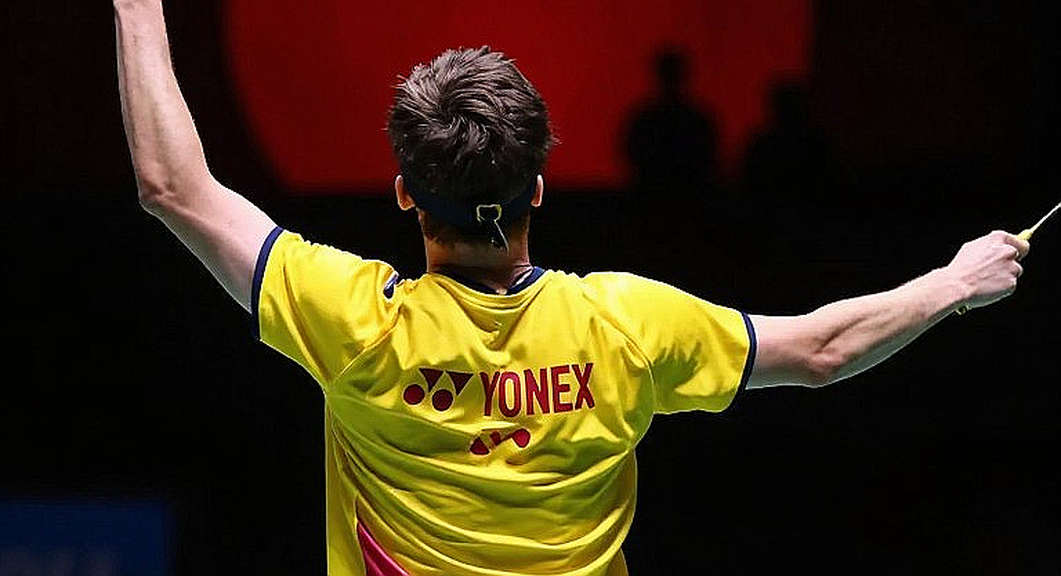
The five names framed as Sindhu's main rivals are An Se-young (South Korea), Akane Yamaguchi (Japan), Chen Yufei (China), Wang Zhiyi (China) and Tomoka Miyazaki (Japan). China and Japan each carry two entries; India, in this preview, has exactly one name mentioned. That is a structural disadvantage, not an emotional one: two entries mean two independent paths to a medal.
One note on data quality. Nearly every head-to-head figure in the original preview carries no attribution; the source field is blank across most factual points. Raw data is more honest than polished emotion, but data without a source is still data awaiting verification. I have kept the records as published and marked them clearly: they must be checked against official BWF head-to-head records before supporting any conclusion.
The five-way axis: one extreme, four contested edges
Split the head-to-head matrix into five bands and the picture is anything but flat.
An Se-young, 0-10 behind. This is the one number in the entire preview that needs no long explanation. At 24, An Se-young beat Miyazaki 21-17, 21-6 in the China Masters final. She is a defensive counter-attacker who absorbs the first smash and punishes the transition. Against a height-based power attacker who relies on steep angles, this is a structural style counter, not a bad-day result. Ten straight defeats say one thing: the problem lives in the matchup system, not in a single poor afternoon.
Akane Yamaguchi, 16-14 ahead. This is the most familiar rivalry in the group. Their most recent meeting was the 2026 Japan Open final, won by Sindhu 21-17, 21-17. But Yamaguchi has just reached the China Open final and won it against Chen Yufei, and she also contested the 2026 World Championships final. A 16-14 record across more than fifteen meetings is a record of parity, and at 29, Yamaguchi remains exactly the type who stretches rallies into the late-game stamina zone where a 31-year-old pays the bill.
Chen Yufei, 7-9 behind. The preview credits Sindhu with important wins over the Chinese player, yet the aggregate still tilts Chen Yufei's way. Chen Yufei reached the China Open semifinal, where she beat Miyazaki.
Wang Zhiyi, 3-6 behind. Their most recent cited meeting was a three-game match at the 2026 World Championships, and Sindhu lost it. Wang Zhiyi went on to the semifinals there. She is the consistency grinder of the group: she extends rallies, drags matches deep, and turns them into fitness contests where experience no longer covers for recovery speed.
Tomoka Miyazaki, 2-1 ahead, having won the last two. This is the most favourable data point for Sindhu and simultaneously the weakest evidence in the file. Three meetings do not constitute a trend. Meanwhile Miyazaki, 20, sits seventh in the world as of the September 15 rankings, reached the China Masters final and has beaten Wang Zhiyi 21-19, 23-21. I do not sell predictions; I sell the time the numbers have already travelled through. And the time inside those three meetings travelled through a while ago.
Based on my own experience tracking matches in the Asian women's singles pool, a high-amplitude attacker has two ways to survive a strong defender: shorten the rallies, or accept three games and win them on the physical base. At 31, Sindhu leans on the first. That is also the hardest route against An Se-young.
The contrarian angle: what the preview never prices in
The preview carries one large blank that almost nobody has addressed, and it governs virtually the entire medal probability: the draw has not been published. No bracket, no seeding, no same-association separation rules. Which means the single most important question, whether Sindhu meets one, two or four of these five names, currently has no answer. Any path model built from this article is running on an empty frame.
Second, the home-crowd factor is priced at zero. The event is staged in Japan, and two of the five named rivals are Japanese. At an Asian Games hosted on Japanese soil, that is a variable with weight, not decoration.
Third, the calendar. The 2026 World Championships and the China Open sit immediately before the Games. Four of the five rivals arrive off deep runs there: Yamaguchi to two finals, Wang Zhiyi to two semifinals, Miyazaki to one final. That is both a form signal and an accumulated load. The preview never connects the two.
Fourth, and this is the sharpest contrarian point: the second tier has no stable hierarchy at all. Yamaguchi beat Chen Yufei in the China Open final. Chen Yufei beat Miyazaki in the same event's semifinal. Miyazaki beat Wang Zhiyi at the China Masters. Wang Zhiyi beat Sindhu at the World Championships. Four results, four different directions. This is rock-paper-scissors, not a ranking table. For Sindhu that is good news if the draw keeps her away from An Se-young, and bad news if she has to survive three consecutive three-game matches.
One more loose thread: the preview never names the 2026 World Championships champion, and omits An Se-young's result there entirely, even though she is profiled as the biggest threat. That gap alone disqualifies the article as a standalone form assessment.
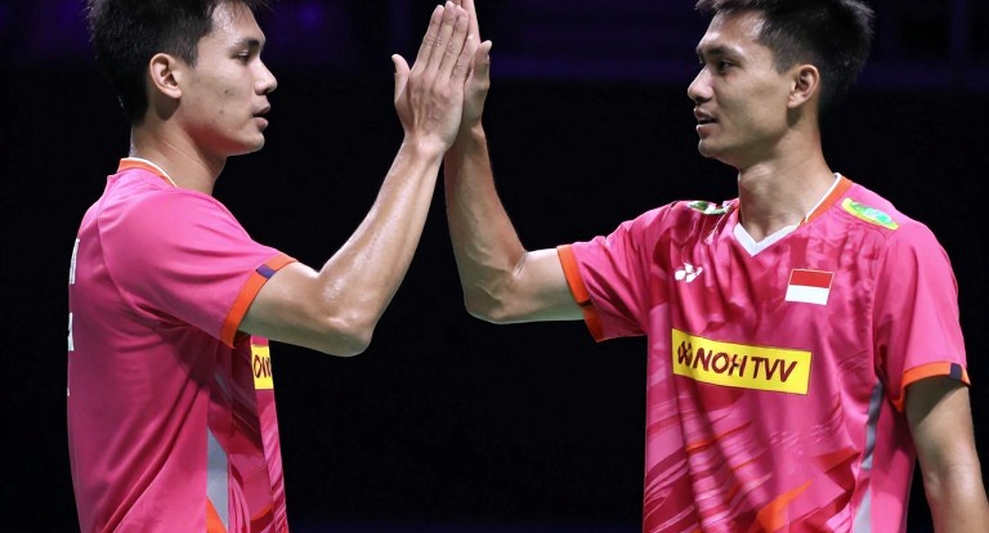
A progressive takeaway
Sindhu enters the 2026 Asian Games with a quality win over Yamaguchi and a head-to-head matrix that places her behind four of the five named rivals. Those two facts do not contradict each other. They point to a single conclusion: her ceiling at this event depends on a variable nobody has published yet, the draw.
The next tracking signal is specific. On September 25, when the bracket is released, check whether Sindhu lands in the same half as An Se-young. Same half, and the medal story ends at the semifinal. Different half, and she has a genuine window to play three rock-paper-scissors matches, a window that opens or closes depending on whether she can keep rallies short.
I am not predicting outcomes. I am only reading what the data has already signed.